True Knights
By Anthony Casperson
2-14-26
Last month, the HBO show A Knight of the Seven Kingdoms began its run, which will continue for just over another week. While I’m not actually watching it—partially because I know the reputation of projects based off of George R. R. Martin’s writings—I have been watching reaction videos from various YouTubers. (Terms and services of the platform require the removal of the parts I don’t want to see.)
It’s been interesting to compare the reactions of the multiple channels, because various sociological and political leanings are represented throughout the videos. People who would likely be at each other’s digital throats on social media sites, join their voices together to cheer for the main characters of the show: Dunk and Egg.
And no place currently proves this point more than an event from the fourth episode of the show. (I’ll be getting into minor spoils, but nothing more than necessary for my point.)
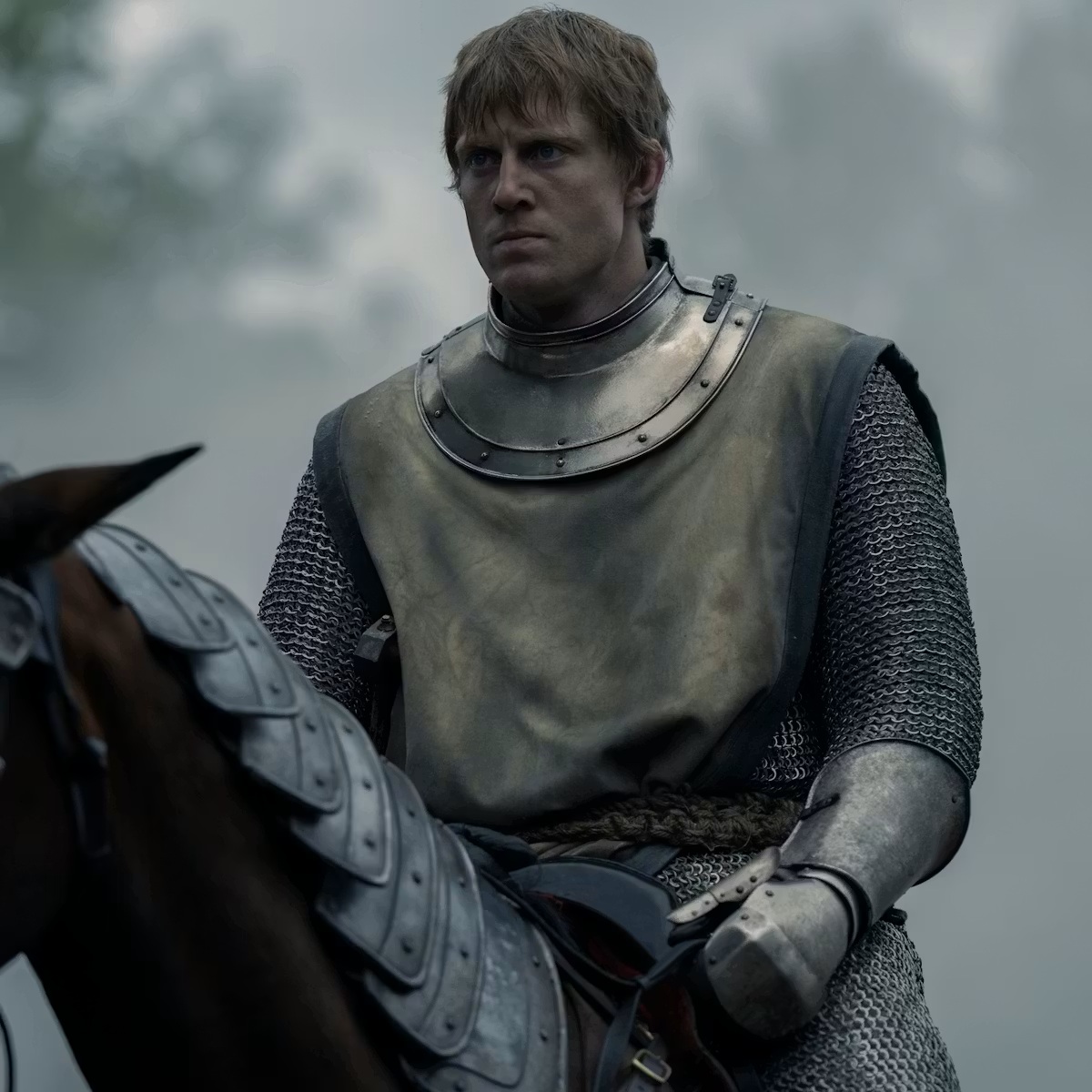
In this fourth episode—confusingly titled “Seven”—we come to see the young hedge knight, Ser Duncan the Tall, on trial for striking a prince of the realm. Dunk had come to the rescue of a young woman who was being abused by the prince. So, what Dunk did was ethically good, despite the legality of the move.
The young hedge knight is talked into asking for a trial by combat. Typically, this means that both the accused and the accuser duel, with the winner of the battle being declared as legally justified. However, the prince accusing Dunk puts forward that it be a trial of seven—a seven on seven battle. In part, this is meant to humiliate the accused because the prince doubts Ser Dunk would be able to gather six other knights willing to fight for him.
Plot happens, but ultimately Dunk is left with six of his required seven. And it must be seven. So, Ser Dunk casts his gaze upon the onlookers. He calls for one of them to stand up with him. He’d only done what was good and right. His actions had been justified. And he punctuates his call with the words:
“Are there no true knights among you?”
Here, at this moment, the people reacting to the show were all moved—regardless of their worldviews and sociological leanings. They were moved to cheers and tears. And in their commentary of this moment, they mentioned that they wished they could’ve joined Ser Dunk right there and then.
As well, they said something to the effect of, “This is what stories have been missing lately.”
What I think they meant is that the vast majority of stories currently told on screen have lacked truly heroic moments from someone who acts from something other than selfish purposes. They’ve missed characters who stand up for good merely because it’s the right thing to do. Characters who act out of a sense of ought-ness, not self-centered desires.
These media reviewers have scanned the stands, filled with protagonists of story after story, and have found themselves needing to ask, “Are there no true knights—no true heroes—among you?”
And it’s not just one side of any particular aisle asking this question. People who would stand opposed in many different arenas, stand united in asking for true heroes again. A unity, despite the differences involved.
I could spend pages writing about what this moment means for our culture and stories told today, but this isn’t a cultural or storytelling blog. Not primarily, at least. It’s a place where we look to the beauty of God, in the mess of the world, through the eyes of a nerd. We use such illustrations to remind us about spiritual truth.
So what can we followers of Jesus learn from this call for true knights and true heroes?
At the very least, I believe that we should realize the value of standing up for godly goodness merely because it is the right thing to do. That ought-ness brought through the leading of the Holy Spirit in the lives of followers of Jesus.
Nearing the end of his first letter to the Thessalonians, Paul lists several commands to the people of that city. In 1 Thess. 5:14-22, we witness a rapid fire barrage of what goodness looks like while acted out by the people of God. And the first two of those verses truly sets the stage for us.
Paul—and the Holy Spirit through him—calls us to draw the idle out of their inactivity. Stand up in front of those willing to be bystanders, those who let the same old injustices continue, and remind them that we are meant for more than this. There’s more than just a title for a true knight or hero or Christian.
There’s a calling that goes along with that title. Actions required, not resignation for what has been commonplace of late.
And these actions are to encourage the fainthearted. Lift up those who have come to believe their face belongs in the dirt. We should cling to the weak. Provide strength for those who have little left for themselves. And in it all, we should have an attitude of patient longsuffering. Be willing to perform these actions over and over again.
Paul continues in verse 15 by stating that none of us should repay evil for evil. Rather, we should do good. That patience isn’t just for those who appreciate our presence, and the presence of the Spirit who empowers us. It’s for everyone, inside the church and outside it.
We stand as followers of Jesus who understand the sense of ought built within us by the Spirit.
And that ought-ness should never find an end, no matter how difficult the situation ahead of us looks. Even when we find ourselves in a spiritual version of trial by combat, we should stick with the godly understanding of good, because it is good.
In Galatians 6:8-10, Paul reminds us that those who sow the Spirit will, through the Spirit, reap eternal life. When we join God’s work of doing good, life will result. In us and others.
Thus, we should never grew weary of doing good—never tire of this ought that we hold dear—because the season of life will come. Whether in this world or the next, life will come to find its season of reaping.
And in verse 10, he calls us to do good whenever we have the opportunity. Good to everyone, but especially those who share in the household of faith. Our sense of godly ought-ness should find no end. No limit.
Right about now, some might be asking the “what if” caveats. Especially ones about people who are so diametrically opposed to godly goodness. And to such questions, I would point us to more words of the Spirit—through Paul—that speak of spiritual combat.
In Ephesians 6:11-18, we might find the various pieces of the armor of God. But it is in the earliest of these verses that we find a reminder—the very thing that I noticed from the reactions from the introduction, rather than the material they reacted to.
It’s not the people on the “other side” who are the enemies.
Just like how video commentators can agree on the issue in recent shows and movies being poor storytelling in need of true heroes, we followers of Jesus should agree that the battle is spiritual rather than physical.
This combat is not about flesh and blood. It’s not about “us” vs. “them.” It’s about Jesus vs. the spiritual powers of this fallen age. Good vs. godless injustice. God vs. the beings who despise every one that bears his image.
Our enemies are not the people on the “other side.” Any person trapped in the ways of sin and death are hostages, not enemy combatants. And none should ever attack hostages they find behind enemy lines. Because no hero should assail one of their own who just happened to be taken captive.
We’re all looking for true knights and true heroes. People who do what is good and right and godly, merely because they know they ought to do it.
Sure, some discussion needs to happen about what those terms mean. But none of those conversations mean that we can treat our fellow image-bearers of God as “other.” We have a commonality worth investigating.
And with the ought-ness of the Spirit upon us to do good, that should mean even more to those who follow the ways of Jesus and the commands of God.
There is a spiritual battle ahead. But there’s also a call to join the fight for good. And so, I find myself rephrasing Ser Dunk’s call, while keeping the truth of the gospel in mind, asking:
“Are there any true Christians among you?”
If there are, stand, rise, and prepare for a fight. We fight for godly goodness because it is the right thing to do. We have an ought-ness shared by the Spirit of God.